
AI Robot Masters Surgical Tasks
Intro
The integration of artificial intelligence into surgery is not just a futuristic concept—it is happening now. Johns Hopkins University has pioneered an AI-driven surgical system that learns techniques from YouTube videos, challenging the conventional methods of medical training. This advancement promises increased efficiency and precision but also raises critical ethical and practical concerns. As AI continues to shape the future of healthcare, we must explore both the potential benefits and the limitations of this technology in surgical settings.
The Role of AI in Surgery
The corridors of innovation often lead us down paths we'd never expect, and Johns Hopkins University is paving one such path into the surgical theatres of tomorrow. Picture this: robots, typically confined to the realms of science fiction and manufacturing, now standing shoulder to shoulder with human surgeons, learning their craft through the omnipresent archive of YouTube videos. It's a seismic shift in tradition, a ripple in the established norms of medical training, and a journey into the unknown that begs reflection on both its promises and pitfalls.
AI and Human Collaboration in the Operating Room
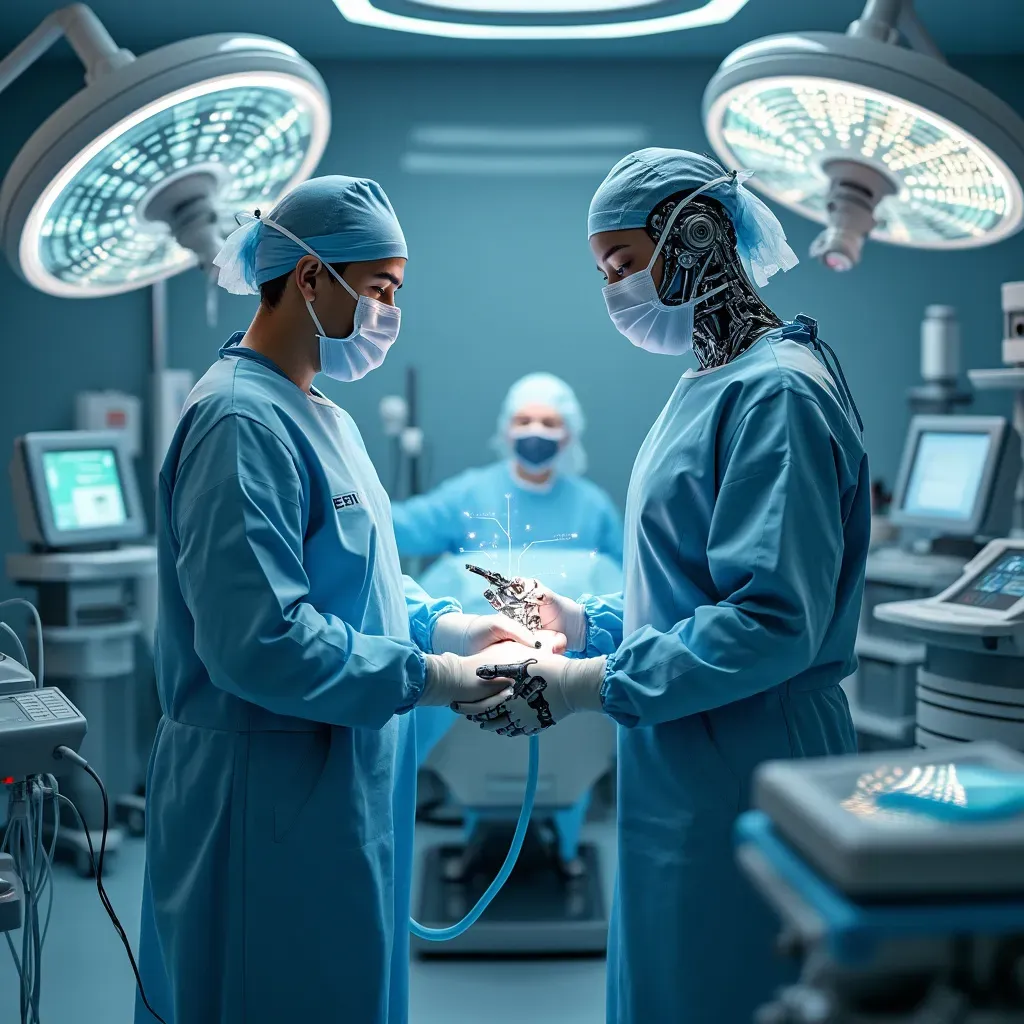
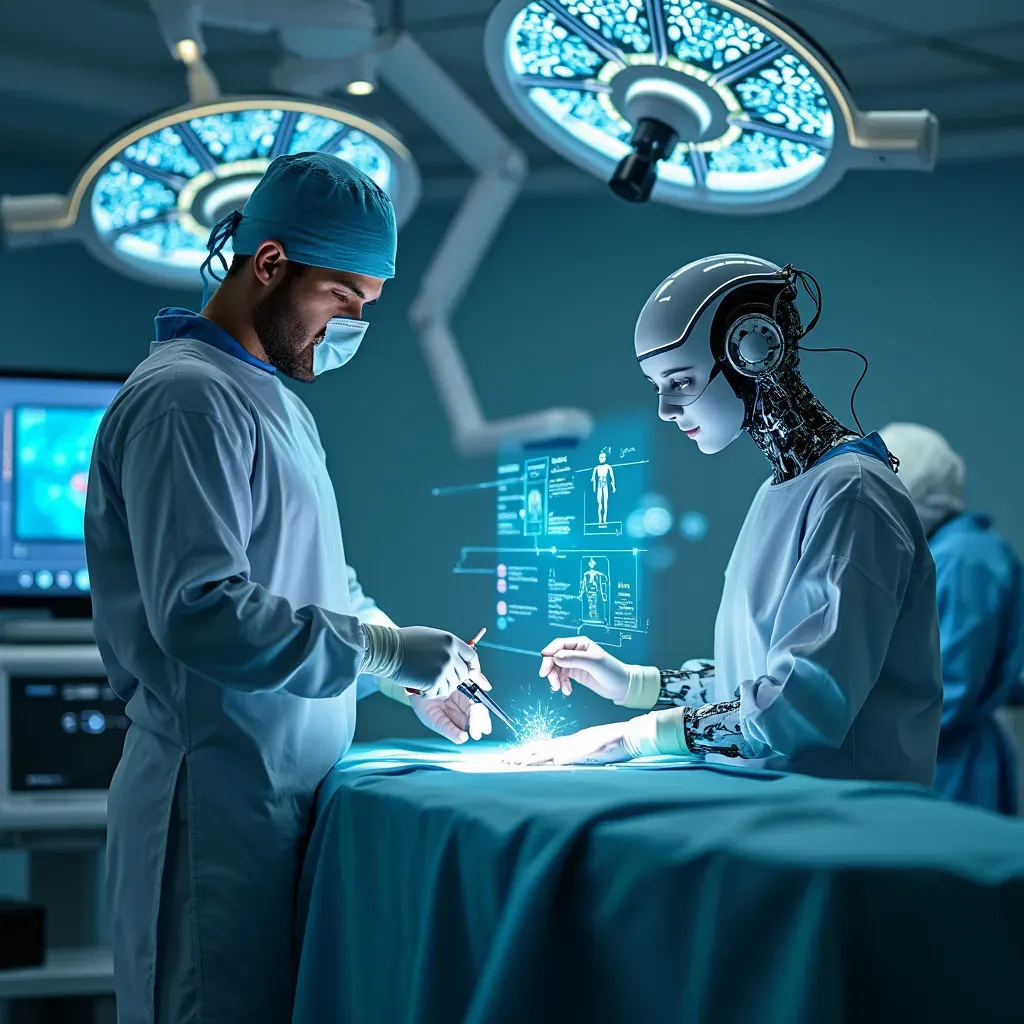
Imagine, if you will, a crisp, sterile operating room where the light hum of machinery is punctuated by the rhythmic beeping of monitors. Here stands a surgeon, tools in hand, focused with a precision only years of practice can hone. Beside them, a robotic assistant, imbued with layers of artificial intelligence, observes not with eyes, but with an algorithmic mind trained on countless hours of surgical footage culled from YouTube’s extensive repository. It’s a collaboration of human intuition and mechanical diligence, yet both partners in this dance share the stage equally.
How AI Learns Surgical Techniques
Delving deeper, the process seems almost magical in its simplicity; AI, voracious in its consumption of visual data, analyzes techniques, gestures, and outcomes, crafting its understanding from the nuanced choreography of human hands. It's much like an apprentice shadowing a master craftsman, only in this scenario, the apprentice is an inexhaustible entity capable of processing far more than any human student. It's a procedure akin to alchemy, transforming pixels into surgical prowess.
The Challenges and Ethical Concerns
Yet, as with all groundbreaking innovations, the specter of doubt looms. Questions arise as these digitized students begin mastering their art: Can an assemblage of circuits ever truly replicate the spontaneous ingenuity of human thought? Will the cold calculus of machines maintain the empathy essential to healing? These queries pull at the threads of optimism, grounding expectations with the weight of reality.
Comparing AI Learning to Human Experience
This transformative leap in medical practice echoes deeply with my own forays into the unknown, drawing parallels with my journey through altered states of consciousness. Just as Ayahuasca expanded my understanding of self and existence, AI in surgical environments may broaden the horizons of what we conceive possible in medicine. Both journeys probe the edges of comfort, urging us to envisage realms beyond our immediate perception—a world where human limitations can be mitigated by technological prowess.
Maintaining the Human Element in Medicine
However, this evolution in surgical procedures not only challenges technical boundaries but also compels us to reconceive the essence of care. As these mechanical assistants assume more significant roles in the operating suite, the human element—so entwined with empathy, ethics, and connection—must remain intricately woven into the fabric of treatment. The robots may learn the dance, but the heartbeat of medicine will always be human.
Conclusion
The implications of AI in healthcare are vast and teeming with potential. As we grapple with its integration, we inch toward a future where the synthesis of man and machine offers uncharted possibilities in patient care and surgical training. We stand at the precipice, gazing into an era where surgery is redefined, not just by the hands that perform it, but by the coded conscience guiding those hands.
In this brave new landscape, the future of surgery is a delicate interplay of innovation and humanity. We must tread thoughtfully, ensuring that in our quest for progress, we do not lose sight of the personal touch that is the quintessence of healing. The path ahead is illuminated with promise, yet still shadowed by the need for mindful consideration—an expedition not unlike the journeys we've taken before, into the depths of self and beyond.
As AI continues to evolve and expand its reach in medicine, our responsibility is to harness its capabilities while safeguarding the principles that define healthcare. By blending cutting-edge technology with human compassion, we can shape a future where AI enhances the art of healing rather than replacing it.
FAQ
AI systems use machine learning algorithms to analyze video footage, recognizing patterns in surgical procedures, hand movements, and techniques. Over time, these systems refine their understanding and improve their ability to replicate surgical tasks.
No, AI is designed to assist rather than replace surgeons. While it can enhance precision, efficiency, and data analysis, human expertise, decision-making, and empathy remain essential in surgical procedures.
Ethical concerns include data privacy, AI bias, potential over-reliance on technology, and the lack of human intuition in critical decision-making. Ensuring AI is used responsibly in healthcare is crucial.
AI can improve surgical accuracy, reduce errors, assist with preoperative planning, and enhance learning for medical students and professionals by providing real-time feedback and predictive analytics.
AI has the potential to enhance patient outcomes by minimizing risks, increasing procedural efficiency, and personalizing treatments. However, it must be integrated with human oversight to ensure optimal care and safety.
Let's get social


Drop your email address below to get our newsletter.

30 N Gould st Sheridan WY 82801
+1 512 782 9644
Created by the Team here at TekConnected
Privacy policy | Terms of use | Cookies